

U.S. Building Products – Stress Fractures?
Jory M. Eisenberg, CFA, FRM: Senior Analyst, Special Situations – CreditSights
Andrew Belton: Head of Basics and Infrastructure – CreditSights
Michael O’Brien: Senior Analyst, Paper & Packaging, Homebuilders – CreditSights
Winnie Cisar: Global Head of Strategy – CreditSights
Joshua Kramer: Senior Analyst, Special Situations – CreditSights
Peter Sakon, CFA: Senior Analyst, Special Situations – CreditSights
Ahsan Shaikh: Analyst – CreditSights
Nick Williams: Senior Analyst, Special Situations – CreditSights
24 March 2026
- How credit pressure is reshaping parts of the US building products landscape amid shifting market conditions.
- Where resilience and vulnerability diverge across subsectors serving infrastructure, residential construction, and renovation activity.
- Why changing construction patterns are influencing demand visibility and competitive dynamics across product categories.
- How macro forces continue to affect operating environments for companies with differing end‑market exposure.
- What emerging signals may matter for assessing sector direction beyond near‑term uncertainty.
Executive Summary
Credit conditions across the US building products sector have deteriorated amid rising financial strain. Demand pressures persist across key markets as inflation and borrowing costs weigh on activity.
Companion research examines several stressed issuers facing heightened balance sheet and liquidity challenges. These profiles outline business exposure and operating context without providing full analytical coverage.
However sector stress remains uneven with clear separation between more defensive and cyclical segments. Infrastructure oriented producers show greater resilience while residential focused businesses face volatility.
Meanwhile core end markets continue to soften with recovery signals appearing tentative. Shifting construction patterns and cautious spending limit near term momentum.
Therefore broader market disruption appears contained despite ongoing pressure among more leveraged participants. Structural advantages offer insulation though sensitivity to housing conditions remains evident.
Fill out the below form to view the full article:
Please note that we can only respond to valid business email addresses and the interview is already available to clients.
Recently Published
Research
AllCovenant-ReviewAutosBasicLevFin-InsightsTelecommunicationsFinancialsCreditSights-ResearchUtilitiesshow-homeshow-initiation page-homeMunicipalsTMTAsset Management ResourcesPharmaceuticalsEnergyResearchGaming/LeisureIndustrialsPoliticsMediaConsumerTariffsSpecial SituationsCorporatePrivate CreditAerospace/DefenseCovenantsBondsReal EstateStrategyPost PetitionServicesESGChemicalsIranESG-HomeEmerging MarketsBanksOutlooks-HomeTransportationConstructionTechnologyInsuranceManufacturing

DISH Network: Initial Impressions on the RSA
DISH Network: Initial Impressions on the RSA
Read More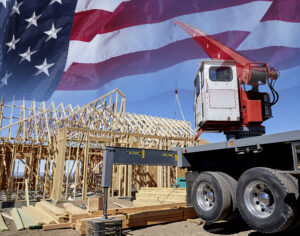
U.S. Building Products – Stress Fractures?
U.S. Building Products – Stress Fractures?
Read More
Mideast, SSEA Corps: Effects of Natural Gas Hits
Mideast, SSEA Corps: Effects of Natural Gas Hits
Read More
Aircraft Lessors: ME Conflict & Fuel Shock