

Mideast, SSEA Corps: Effects of Natural Gas Hits
Lakshmanan R, CFA, FRM: Head of South & Southeast Asia Corporates - CreditSights
Jonathan Tan Jun Jie: Analyst, South & Southeast Asia Corporates - CreditSights
Nicole Chua: Analyst, South & Southeast Asia Corporates - CreditSights
23 March 2026
- How sustained natural gas shortages are influencing operating costs and margin resilience across power, industrial, and infrastructure sectors.
- What the Effects of Natural Gas Hits on Mideast and SSEA Corporates reveal about sector specific exposure to fuel price volatility.
- Why input cost inflation may translate into uneven pressure on cash flow, pricing power, and balance sheet flexibility.
- How differences in fuel sourcing, regulation, and integration shape relative resilience among regional corporates.
- Where second order impacts could emerge across food production, transport, metals, and telecom supply chains.
Executive Summary
- Global markets continue to reel from tightened supply of crude oil and natural gas from the Middle East, even more so after Iran attacked Qatar and QatarEnergy’s (QE) prominent LNG (liquefied natural gas) processing and export facility at Ras Laffan last Thursday; We thus analyse the second order effects of natural gas shortage and higher NG prices on industrial and corporate users of natural gas.
- In power generation, higher LNG and coal costs are likely to pressure margins and fuel availability, but the overall impact should be manageable where generation is coal-heavy, tariffs allow fuel-cost pass-through, and domestic sourcing of NG or regulated tariffs underpins recovery of costs for companies such as SMC GP, Ciklis and SECO.
- Fertiliser and agrochemical producers (e.g. UPL) face rising input costs and potential shortages because natural gas and related commodities are key feedstocks, which could weigh on agricultural output and contribute to food inflation in certain markets like India.
- Petrochemical operators (e.g. PTTGC) are challenged by weaker product spreads as feedstock costs rise faster than end-product prices, with more leveraged and naphtha-reliant producers generally more exposed than integrated players (e.g. Reliance Industries) with more flexible feedstock and product mix.
- Metals, mining, and smelting activities (for Vedanta, MIND ID, Freeport Indonesia, Indika) are vulnerable to energy and diesel inflation given their high energy intensity, and cost recovery is often limited, leaving some operators more exposed to prolonged fuel price shocks.
Fill out the below form to view the full article:
Please note that we can only respond to valid business email addresses and the interview is already available to clients.
Recently Published
Research
AllCovenant-ReviewAutosBasicLevFin-InsightsTelecommunicationsFinancialsCreditSights-ResearchUtilitiesshow-homeshow-initiation page-homeMunicipalsTMTAsset Management ResourcesPharmaceuticalsEnergyResearchGaming/LeisureIndustrialsPoliticsMediaConsumerTariffsSpecial SituationsCorporatePrivate CreditAerospace/DefenseCovenantsBondsReal EstateStrategyPost PetitionServicesESGChemicalsIranESG-HomeEmerging MarketsBanksOutlooks-HomeTransportationTechnologyInsuranceManufacturing
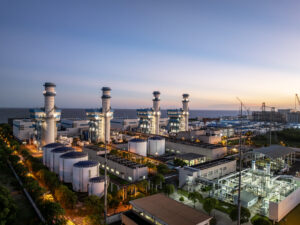
Mideast, SSEA Corps: Effects of Natural Gas Hits
Mideast, SSEA Corps: Effects of Natural Gas Hits
Read More
Aircraft Lessors: ME Conflict & Fuel Shock
Aircraft Lessors: ME Conflict & Fuel Shock
Read More
US/EMEA Special Situations: New Fortress Energy opted for UK RP to avoid ‘serious value destruction’ under chapter 11; majority of creditor classes have >75% support
US/EMEA Special Situations: New Fortress Energy opted for UK RP to avoid ‘serious value destruction’ under chapter 11; majority of creditor classes have >75% support
Read More
Euro Bank AT1s: Cloudy Six-Month Call Windows